A Small AI Music Pilot Beats a Big Creative Rollout
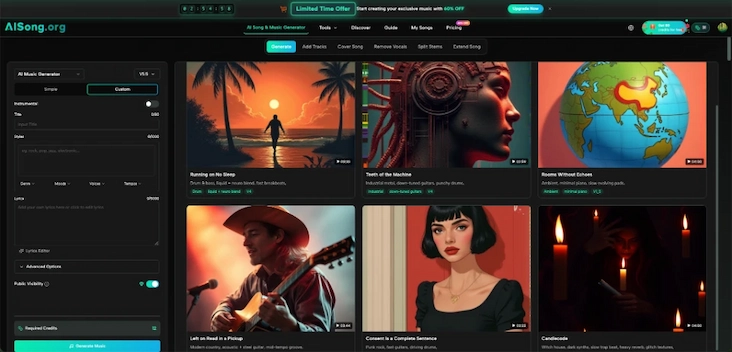
A marketing manager asks for original music for a product video. Someone tests an AI tool, sends three tracks to the team, and suddenly the discussion expands. Who wrote the brief? Which version is approved? Can the same track appear in another campaign? Does the music fit the audience, or does the team simply like the novelty? AI Song can generate music from a text description or lyrics, but a useful business result still needs a defined owner and review process. The safest starting point is not a company-wide rollout. It is one small pilot tied to one real deliverable.
Choose a Use Case With a Clear Job
The first pilot should solve a specific problem that already exists. Good examples include background music for one internal explainer, an instrumental bed for a product demonstration, or a short theme for a recurring podcast segment.
Avoid starting with “create music for the brand.” That request is too broad to review. Different departments may imagine different audiences, moods, and uses. The result becomes a debate about taste rather than a test of whether the tool helps.
A strong pilot statement looks like this: “Create instrumental music for a ninety-second onboarding video. It should feel calm, modern, and encouraging while leaving room for narration.” The team can judge that result against a real purpose.
Define Success Before Anyone Generates
Managers do not need musical expertise to set practical acceptance criteria. They need to describe what must work in the final context.
| Decision area | Example pilot criterion |
| Audience | New employees should find the tone welcoming, not childish |
| Format | Music must sit under spoken narration |
| Mood | Calm and confident, without dramatic tension |
| Review | Marketing owns the brief; HR confirms audience fit |
| Output choice | One approved track and one backup version |
These criteria stop the review from becoming “I like this one.” Personal taste still matters, but it should not replace the project’s purpose.
The team should also decide how generated files, prompts, and approvals will be named and stored. A simple folder with the brief, prompt, selected version, and final use is enough for a first pilot.
Put Four Controls Around the Pilot
The controls should be light enough that people follow them. A complicated governance document will push experimentation into private, undocumented channels.
1. Assign One Brief Owner
One person should combine feedback and update the prompt. When five people separately generate alternatives, the team loses track of which direction is current.
The owner does not need to be the manager. A content producer, video editor, or communications specialist may be closer to the deliverable. The important point is that one person maintains the working brief.
2. Limit the First Round
Set a small number of directions before generating. For example, compare a warm acoustic option with a clean electronic option. Do not produce dozens of tracks with no review plan.
A limited first round makes feedback more thoughtful. Reviewers can explain which direction serves the audience and why. If neither works, the team can revise the brief instead of adding random variations.
3. Separate Creative Review From Usage Review
The track needs two different questions. First: does it fit the message, audience, and edit? Second: are the applicable usage terms suitable for the planned project?
AISong publicly presents text-to-music generation and commercial-use information, but a company should still record the terms that apply when it approves a track. The reviewer responsible for usage should check the current service terms and the organization’s own policy rather than relying on an old screenshot or a colleague’s memory.
4. Preserve the Prompt and Decision
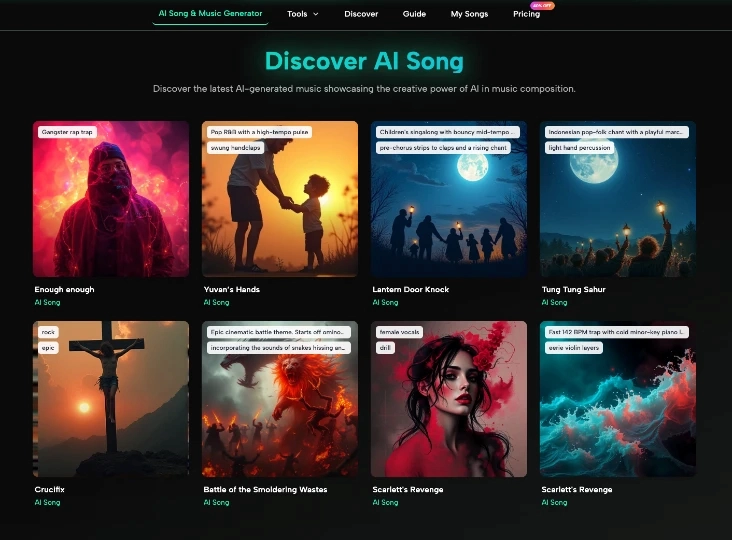
This AI Music Generator makes it easy to create another version, which is useful until nobody remembers why the selected track was chosen. Save the final prompt, the approved audio, the project name, the reviewer, and the approval date.
Add one sentence explaining the decision: “Chosen because the steady instrumental supports narration and feels appropriate for new employees.” That note helps when the video is updated or another team asks to reuse the music.
Review the Music Inside the Deliverable
Never approve the track from an isolated listening session. Put it into the actual video, podcast, presentation, or training module.
For narration, test whether speech remains clear on ordinary laptop speakers and headphones. For a product video, check whether musical changes support the visual sequence rather than fighting it. For an internal event, consider whether the tone matches the organization and the people being addressed.
Invite reviewers to comment on moments, not general impressions. “The rhythm becomes distracting when the instructions appear” is actionable. “It does not feel premium” is not. Ask the reviewer to identify the audience response they expected and what prevented it.
A short review form can include three questions:
- Does the track support the message?
- Is any moment distracting or inappropriate?
- What single change would improve the fit?
The brief owner can then revise one variable at a time.
Compare the Pilot With the Previous Process
The goal is not to prove that AI is always better. Compare the pilot with how the team previously found or created music.
Document the steps rather than inventing a dramatic savings claim. The previous process may have involved searching libraries, discussing license options, sending references, and editing around an existing track. The pilot may involve writing a brief, generating options, reviewing terms, and testing the track in context.
Ask what improved and what became harder. Perhaps the team reached a relevant direction sooner but spent more time reviewing variations. Perhaps the music fit the video better, but ownership of the prompt was unclear. These findings are more useful than a broad statement about efficiency.
At the end, choose one of three outcomes: stop, repeat the same pilot with a better process, or expand to one additional use case. Expansion should follow evidence, not enthusiasm.
Share the Lesson, Not Just the Track
At the end of the pilot, give the team a one-page summary. Include the original problem, the final brief, the review steps, the main difficulty, and the decision about future use. Do not present only the approved audio.
This summary lets another manager understand what the experiment required. It also prevents the next team from repeating the same avoidable mistakes, such as inviting too many reviewers or generating before the audience was defined. A pilot creates value when its process becomes easier to repeat, not merely when one track sounds good.
Keep Human Judgment Where It Matters
Managers should not ask the system to decide the brand’s emotional position, approve sensitive language, or judge whether a track is appropriate for a serious event. Those decisions belong to people who understand the audience and context.
The tool is best used to turn an approved direction into options. The team remains responsible for the brief, lyric review, factual accuracy, usage review, and final placement.
This distinction protects quality. It also makes adoption easier because employees know which decisions are still theirs. A pilot should reduce uncertainty around one task, not create uncertainty about every creative role.
Conclusion
A disciplined AI music test begins with one deliverable, one owner, and a few clear acceptance criteria. Limit the first round, review the track inside the real content, preserve the prompt and approval, and compare the process with the previous method. Then decide whether to stop, repeat, or expand. This approach gives managers useful evidence without turning a creative experiment into operational confusion. Choose one low-risk project already on the calendar and write its one-sentence music brief before anyone starts generating.